

Moving, Renovating, or Demolishing? How to Safely Disconnect Your Gas Supply in 2026
Turning Off the Tap: A Guide to Gas Disconnection & Temporary Shut-Offs in the UK
Life changes, and sometimes your gas supply needs to change with it. Whether you’re embarking on a major renovation, demolishing a property, or simply need to temporarily halt your gas supply, understanding the disconnection process is crucial. It’s not just about turning a knob; it involves safety regulations, specific procedures, and knowing who to call.
Here’s your comprehensive guide to permanent and temporary gas disconnections in the UK for 2026.
1. Why Disconnect Your Gas?
There are several common reasons why you might need to disconnect your gas supply:
- Property Demolition: The most common reason for a permanent disconnection. Gas must be safely cut off before any demolition work begins.
- Major Renovations: If you’re moving a gas meter, altering pipework significantly, or undertaking structural changes that might impact the gas supply, a temporary disconnection is often required.
- Switching to All-Electric: Some homeowners choose to remove gas entirely from their property, opting for electric heating and appliances.
- Long-Term Vacancy: For properties that will be empty for an extended period, disconnecting the gas can be a safety measure and prevent standing charges.
- Safety Concerns: If you suspect internal gas pipe damage or a persistent leak, a temporary disconnection is vital for safety.
2. Who to Contact: Your Gas Network Operator
Just like with new connections, your first point of contact for disconnections is your Gas Network Operator (GDN). These are the companies that own and maintain the gas pipes in your local area. Examples include National Gas, SGN, Cadent, Northern Gas Networks, and Wales & West Utilities.
Important: Do NOT contact your gas supplier (the company that bills you). They cannot physically disconnect your property from the main gas network.
3. Permanent Gas Disconnection: The Full Cut-Off
A permanent disconnection means your property is completely severed from the gas main in the street.
- Process:
- Application: Contact your GDN to request a permanent disconnection. You’ll need to provide details like your address, MPRN (Meter Point Reference Number), and the reason for disconnection.
- Quote & Planning: The GDN will provide a quote for the work, which typically involves excavating the street to cap off the gas main at the nearest safe point. Costs can vary significantly based on location and the complexity of the job.
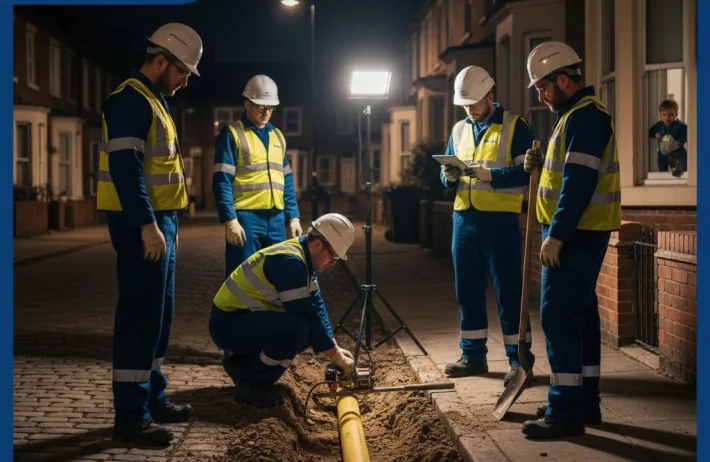
- Site Work: GDN engineers will visit your property to safely remove the meter and then disconnect the service pipe from the gas main in the street, capping it off. This often involves digging a trench.
- Reinstatement: The GDN will then reinstate any disturbed ground.
- Cost & Time (2026 Estimates): A permanent disconnection can range from £500 to £2,000+, depending on the complexity of the excavation. It can take 4-8 weeks from application to completion.
- What Happens to the Meter? The GDN will arrange for the gas meter to be removed as part of the process.
4. Temporary Gas Disconnection (Shut-Off): For Short-Term Needs
A temporary disconnection, or temporary shut-off, means the gas supply to your property is interrupted, but the service pipe remains connected to the main. This is ideal for renovations where you expect to reconnect the gas later.
- Process:
- Request: Contact your GDN to request a temporary disconnection.
- Engineer Visit: A GDN engineer will visit your property to either:
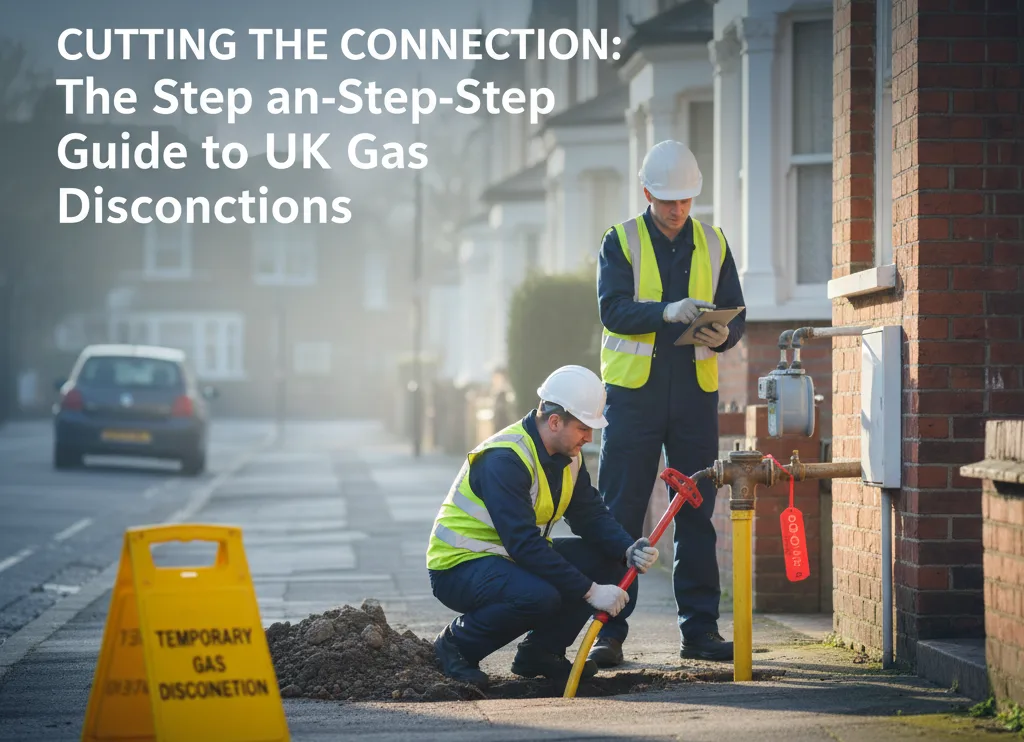
- Turn off the gas at the emergency control valve (ECV) located at your meter.
- Remove the gas meter entirely (and replace it later).
- Cap off the pipework on your property (usually if you’re undertaking major internal work).
- Reconnection: When you’re ready to reconnect, you’ll need to contact your GDN again. They will re-install or re-activate the meter. A Gas Safe Registered Engineer will then need to test your internal pipework before the supply is fully restored.
- Cost & Time (2026 Estimates): Temporary disconnections are generally cheaper than permanent ones, often ranging from £150 to £500 for the shut-off and a similar amount for reconnection. The process is quicker, usually within 1-3 weeks.
- Key Consideration: Even if temporarily disconnected, you might still incur standing charges from your gas supplier unless the meter is removed and your account officially closed.
5. Safety First: Always Use Professionals
Under no circumstances should you attempt to disconnect or tamper with your gas supply yourself. Gas is highly flammable and dangerous.
- Always use your Gas Network Operator for disconnections from the main.
- Always use a Gas Safe Registered Engineer for any work on your internal gas pipework or appliances.
- If you smell gas:
- Open windows and doors.
- Do not switch lights on or off.
- Extinguish naked flames.
- Go outside and call the National Gas Emergency Service on 0800 111 999.
Conclusion
Whether you’re disconnecting for good or just for a little while, planning ahead and contacting the correct authorities is paramount. By following these guidelines and working with your Gas Network Operator, you can ensure a safe and efficient disconnection process, tailored to your property’s needs.