

When Should a Business Permanently or Temporarily Disconnect Gas?
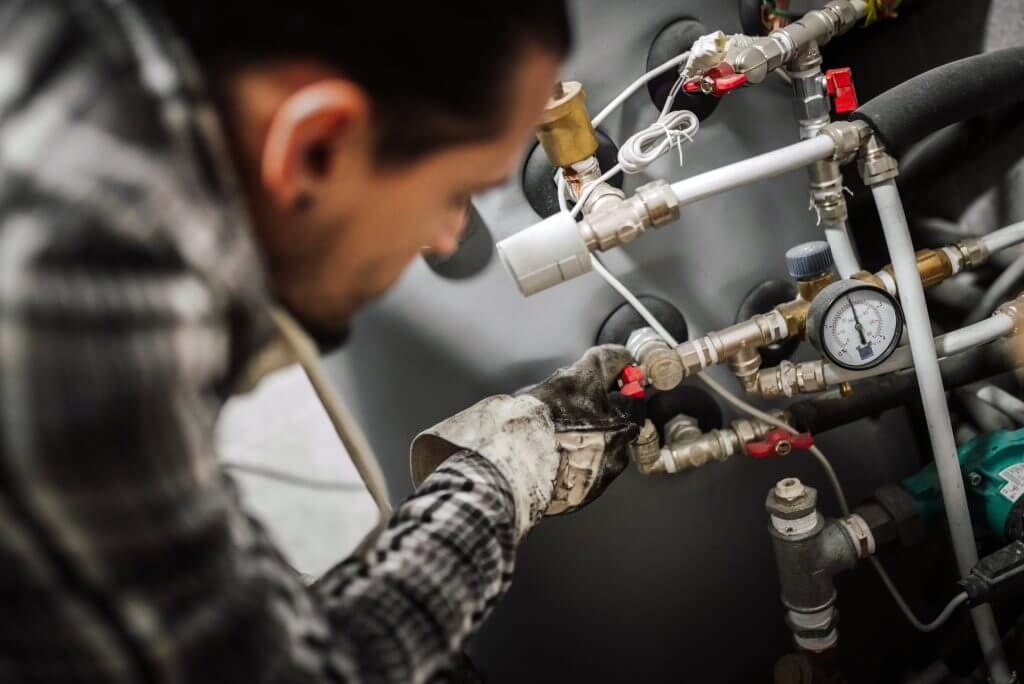
For property managers, commercial landlords, and businesses planning renovations or relocation, a gas disconnection can be a necessary step to maintain safety and compliance. Whether you are redeveloping a site, demolishing a building, or carrying out major refurbishment work, understanding the difference between temporary and permanent disconnection helps avoid unnecessary costs and operational disruption.
Temporary vs permanent disconnection
A temporary gas disconnection is usually arranged when gas supply needs to be safely isolated for a limited period. This is common during building refurbishments, internal layout changes, or short-term site closures. The gas meter is removed and the supply is capped, allowing work to proceed safely while keeping the option to reconnect quickly once the project is complete.
A permanent gas disconnection, on the other hand, is required when a property will no longer need gas. This often happens during building demolition, major redevelopment, or when a business switches energy sources. In these cases, the supply pipe is fully disconnected from the gas network and the meter removed.
Safety, compliance and liability risks
Commercial gas infrastructure carries significant safety responsibilities. An unmanaged supply line during construction or demolition can create serious hazards. Proper commercial gas disconnection ensures the gas supply is isolated, capped, and documented in line with UK safety regulations. This protects contractors on site and reduces liability for property owners and facilities managers.
Planning disconnections without disrupting operations
Businesses should plan a gas disconnection early in the project timeline. Coordinating engineers, contractors, and building works ensures that isolation happens at the right stage. For landlords managing multiple tenants, scheduling the work carefully can prevent disruption to neighbouring units or other services.
Re-connection implications
If gas will be required again after refurbishment or redevelopment, planning ahead is essential. Once work is complete, a new gas connection may be required depending on how the original infrastructure was removed. Early planning helps avoid delays when the site becomes operational again.
Next steps
If your property requires a gas disconnection, expert planning can help minimise risk and disruption. Explore our gas disconnection services to understand the process or request a quote for your project. If your site will require supply again in the future, our team can also advise on arranging a new gas connection when your development is complete.